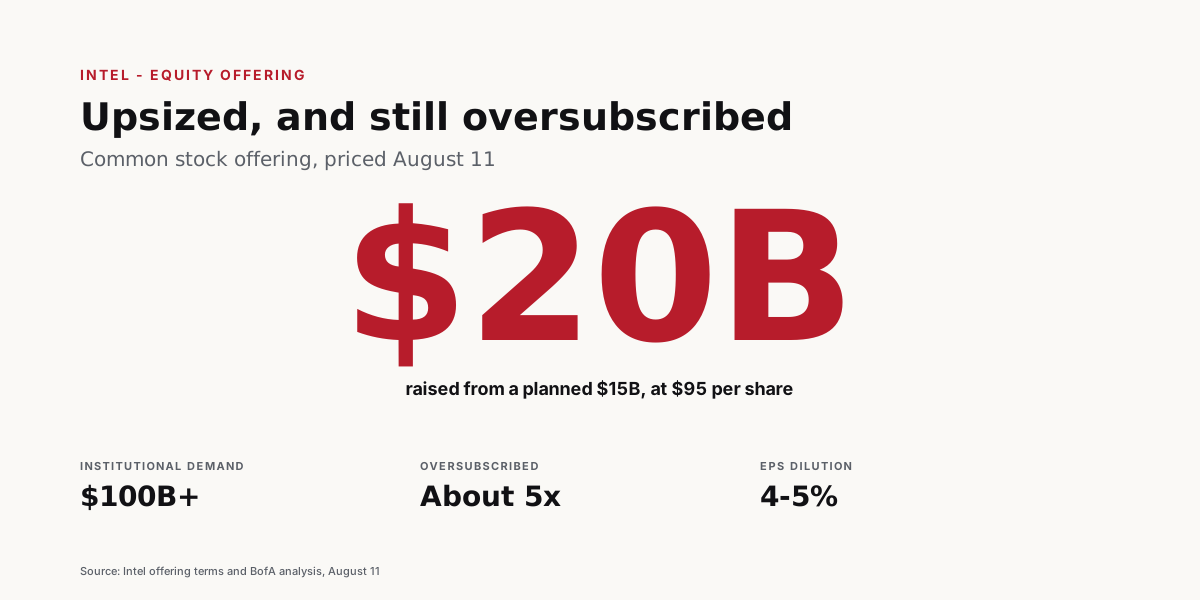
Intel upsized a common stock offering from $15 billion to $20 billion, pricing 210,526,315 shares at $95 each for net proceeds near $19.7 billion, per Benzinga. The book drew more than $100 billion of institutional demand, about five times the deal. Proceeds are earmarked for general corporate purposes including capital expenditure, which Intel projects above $20 billion this year. Bank of America read the raise as confidence in the foundry turnaround and estimated 4% to 5% earnings dilution on the larger share count, per Yahoo Finance.
An upsized deal at five times covered is unusual, because equity raises by companies in turnarounds usually signal distress and get priced accordingly. This one was oversubscribed enough that Intel took a third more capital than planned. The reason sits in the order book instead of the balance sheet: institutions are underwriting Intel Foundry as a credible second source to TSMC, and they are doing it days after Terafab confirmed its Grimes County site with Intel's 18A as the process node behind Tesla and SpaceX silicon.
The capital and the anchor customer arrive together, which is the sequence a foundry needs. Leading-edge capacity requires committing billions years before revenue, and the reason Intel Foundry has lagged is that it lacked external customers large enough to justify the build. Bank of America now models foundry revenue rising from roughly $1.1 billion this year toward $40 billion by 2030 on 8% to 10% of a $380 billion wafer market. That is an aggressive path, and it converts into shipped wafers only if 18A yields hold, which is the same variable the Terafab schedule depends on. Watch yield disclosures over the funding headlines.
Bottom Line
A turnaround company raised a third more than it asked for at five times covered, which is the market voting on Intel Foundry more than on Intel. The whole case still resolves to 18A yield.