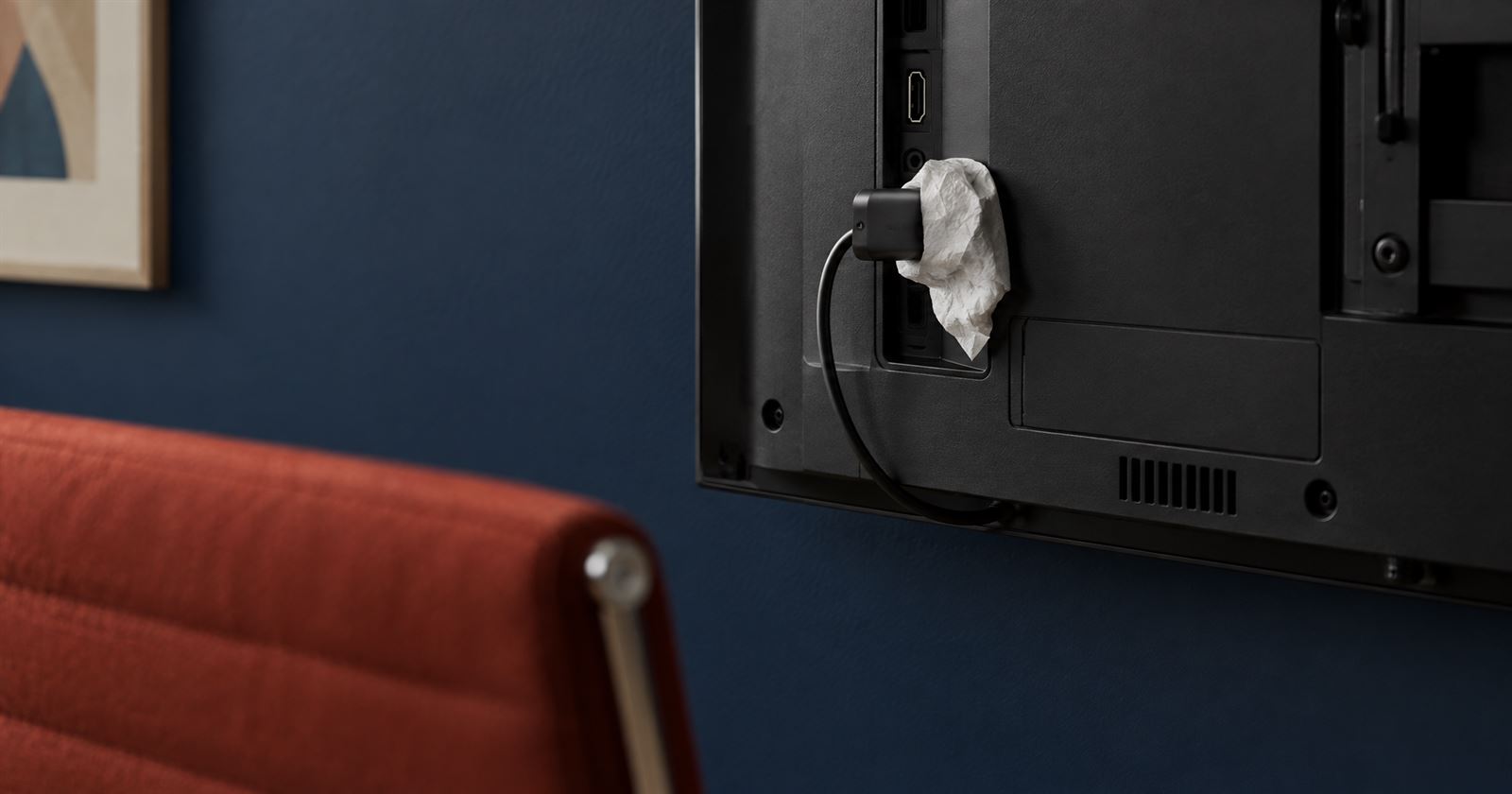
OpenAI's technical surveillance countermeasures team found an audio recording device during a sweep of an executive conference room on September 30, per Fortune. It was plugged into a USB port on the back of a television and wrapped in toilet paper. The FBI arrested Abdulrahman Alfozan, a 35-year-old Saudi national and OpenAI engineer since July 2025, on October 9. The Justice Department announced the case on October 13.
The complaint charges him with using or attempting to use a device to intercept oral communications. That carries up to five years in prison and a $250,000 fine, per AFP via France 24. It does not allege spying for a foreign government, and it does not say what the device recorded. He appeared in federal court on Tuesday. A detention hearing is set for October 19, and his lawyer says he is presumed innocent.
Much of the evidence comes from logs. A chatbot account linked to his spouse received prompts from September 24 to 30 about building, hiding, and remotely accessing a continuous audio recorder, per CBS News. He allegedly used an internal productivity tool to look up meeting rooms, calendars, and where leadership met. On October 5 a camera caught him looking behind the television. Security then found a second device in a bag he left unattended. Fortune reports he was arrested three days before a planned flight to Saudi Arabia.
OpenAI said it has "no indications" that he took model weights, source code, or customer data. FBI Director Kash Patel said protecting American "SI," the administration's new label for advanced AI, is "one of our highest counterintelligence priorities." We explained that label last week. The Justice Department has not accused Saudi Arabia of involvement.
Bottom Line
A routine sweep found the device, and the suspect's own queries built the case. If your executive meetings carry deal or product secrets, schedule technical sweeps of those rooms. Then check who can search company calendars and room bookings. That data is a map of where to plant a recorder.