AMD signed an agreement with Core Scientific for up to 2.5 gigawatts of AI data center capacity, starting with more than 500 megawatts in 2027, per Business Standard. Core Scientific estimated the contracts could generate more than $14 billion in base revenue, and AMD will receive market-priced warrants to buy Core Scientific stock. Core Scientific, a former Bitcoin miner, rose 6% premarket while AMD slipped 4% with other chipmakers.
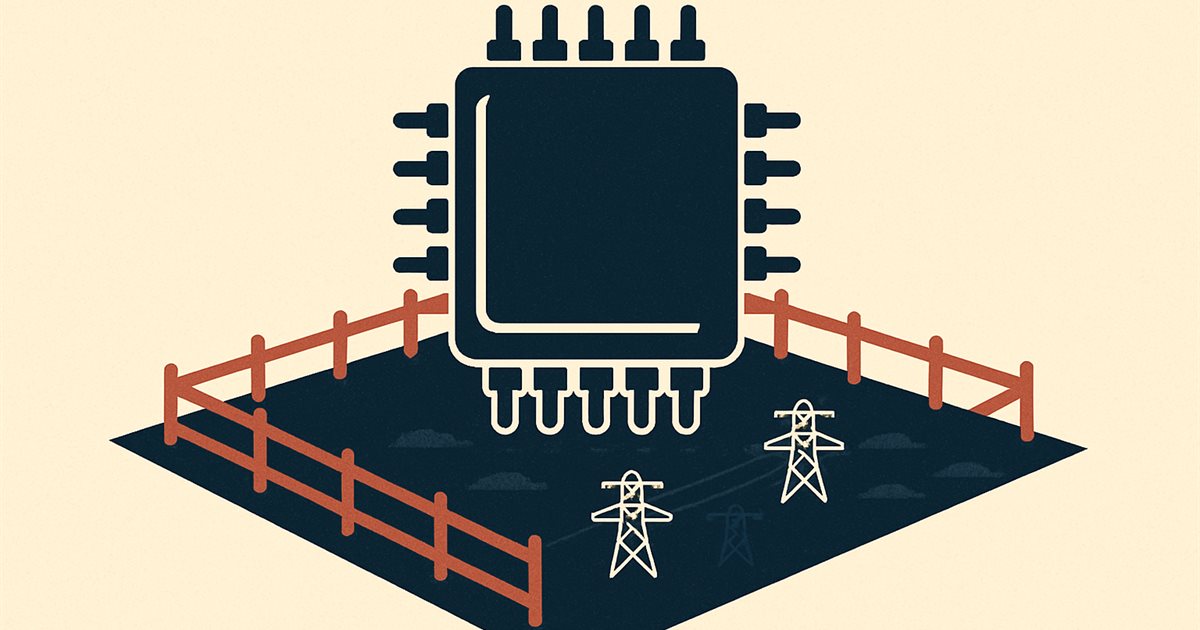
The move worth reading is a chipmaker reserving data-center capacity, which chipmakers did not used to do. AMD sells accelerators; it does not run clouds. Securing 2.5 gigawatts of capacity is AMD guaranteeing there is somewhere to deploy its MI-series chips at scale, so that customers weighing AMD against Nvidia are not blocked by a shortage of AI-ready power and buildings. Power and packaged data-center space, ahead of silicon alone, are the gating constraints on deploying accelerators, and AMD is buying that constraint down on its own chips' behalf.
The warrants are the tell. By taking equity in Core Scientific, AMD ties its own upside to the operator's success and gets paid if the capacity it anchors makes the landlord more valuable. It is the pattern showing up across the sector, where the chip vendor, the operator, and the customer increasingly hold pieces of each other. Core Scientific is another former crypto miner, like TeraWulf, converting stranded power into AI-data-center revenue. For operators choosing between accelerator ecosystems, AMD signaling it will guarantee deployment capacity is a real competitive answer to Nvidia's scale.
Bottom Line
AMD is buying compute capacity to guarantee a home for its chips, and taking equity in the landlord while it does. Watch whether guaranteed capacity becomes a standard part of how chipmakers compete, because it changes the cost of selling an accelerator.