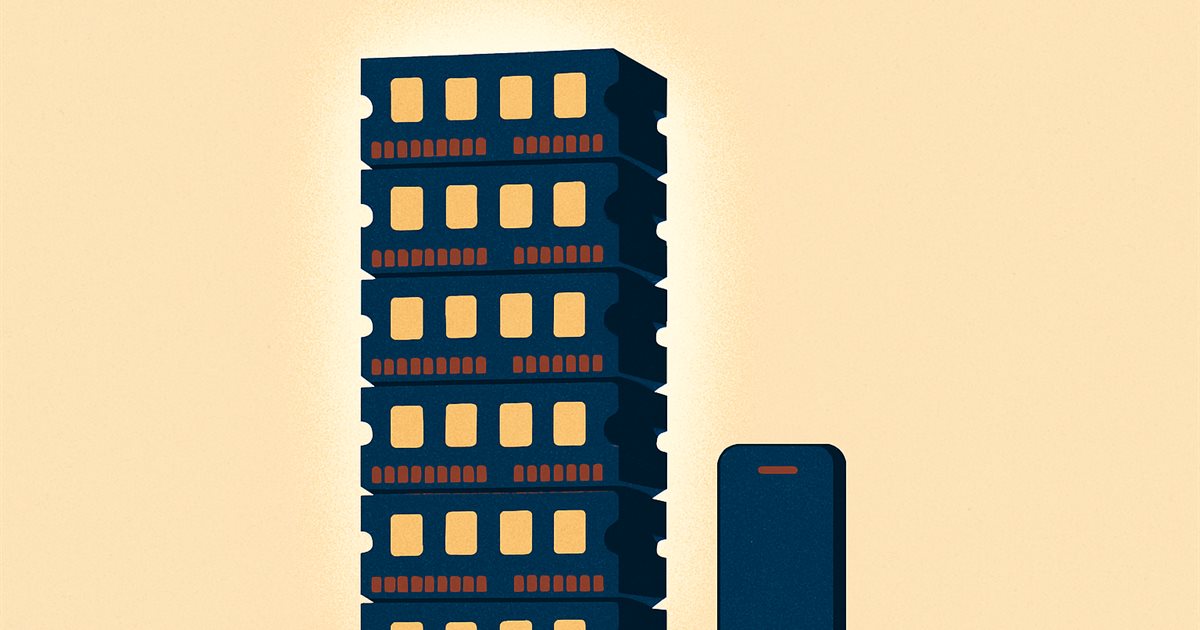
Samsung reported record second-quarter revenue of KRW 171.5 trillion and operating profit of KRW 89.5 trillion, per Yahoo Finance. The Device Solutions semiconductor division delivered KRW 127.5 trillion of that revenue and KRW 89.2 trillion of the profit, a more than 250-fold increase in chip operating profit year over year, per TechTimes. Samsung increased HBM4 sales and shipped the first HBM4E samples to major customers. The Galaxy mobile division swung to an operating loss.
The two numbers to read together are the 250-fold chip profit increase and the mobile loss, inside one company. Samsung sells memory to the AI buildout and also sells phones that contain memory. The division buying components is losing money while the division selling them prints record profit, which is the cleanest illustration available of where value is accruing in this cycle. Semiconductors now account for roughly three quarters of Samsung's revenue, so a company most consumers know for phones is, financially, a memory maker with a handset business attached.
HBM4E samples are the forward signal. Each HBM generation raises capacity and bandwidth per accelerator, and being first to sample means Samsung is competing hard with SK hynix and Micron for the next design wins, with today's shortage as the smaller prize. The same scarcity shows up on the other side of the ledger as Apple's supply constraints and Amazon's $20 billion capex increase. Memory pricing is currently the transfer mechanism moving margin from device makers and cloud buyers to the three companies that make HBM at volume.
Bottom Line
Samsung is now a memory company that also sells phones, and its own handset unit is paying the price of the shortage it profits from. Watch HBM4E design wins, because they set who captures the next leg of this cycle.